


Traveling is about more than following stamps in your passport or showing off iconic snaps on your social media. It’s also about showing up with respect. Before you set foot in a new city, whether it’s across the country or across the world, being mindful of social and cultural etiquette is part of your responsibility as a traveler.


The Importance of Social & Cultural Awareness
Every traveler brings their own upbringing, values, and worldview along with them. But assuming everyone sees the world the exact same way you do? That’s privilege. Not every culture shares the same freedoms or priorities as you do. To be frank, not all Americans enjoy the same freedoms.
So, before you jump in a car, train, or plane to head off to a new city on a new adventure, take a few moments to check your assumptions. Expecting locals (or anyone for that matter) to adapt to your way of being can make you come off as dismissive or disrespectful. Instead, taking time to learn and respect what matters to them goes a long way toward smoother, more meaningful experiences.
How I Research Social Etiquette Abroad
Doing your homework doesn’t have to be overwhelming. You’re not expected to know every detail about a culture before you visit, but learning the essentials shows care and respect. A quick online search can teach you a lot, but I also like to ask those who may have lived, traveled there before me, or are experts on the local culture as well.
Here are some of the main things I research before I book a ticket:
- What are the attitudes toward women, especially solo travelers?
Expectations for women vary country to country, culture to culture. Knowing what these are helps me navigate through spaces safely and respectfully. -

St. Peter’s Basilica, Vatican City. The dress code is strictly enforced. Shoulders must be covered, no knees showing, no hats. Is the location conservative or traditional?
This is the first thing I check because it informs my wardrobe decisions. For instance, for the Vatican, you must cover your shoulders & knees and hats are a no-no. - Are hand signs okay?
Some gestures we use casually, like a thumbs up or the “okay” sign are considered rude elsewhere. And as someone who talks with their hands a lot, I try to keep this in mind. When abroad, I often catch myself mid-gesture when speaking. I’m not perfect, but I try to keep it to a minimum. - Are certain colors off limits?
Red is the color of death in some countries, but the color of good luck & prosperity in others. White is the color of purity in some cultures, while in others, it’s the color of mourning. Unless I’m going to a ceremony or a special event, I don’t obsess over this, but I like to do a quick check on my color selections.

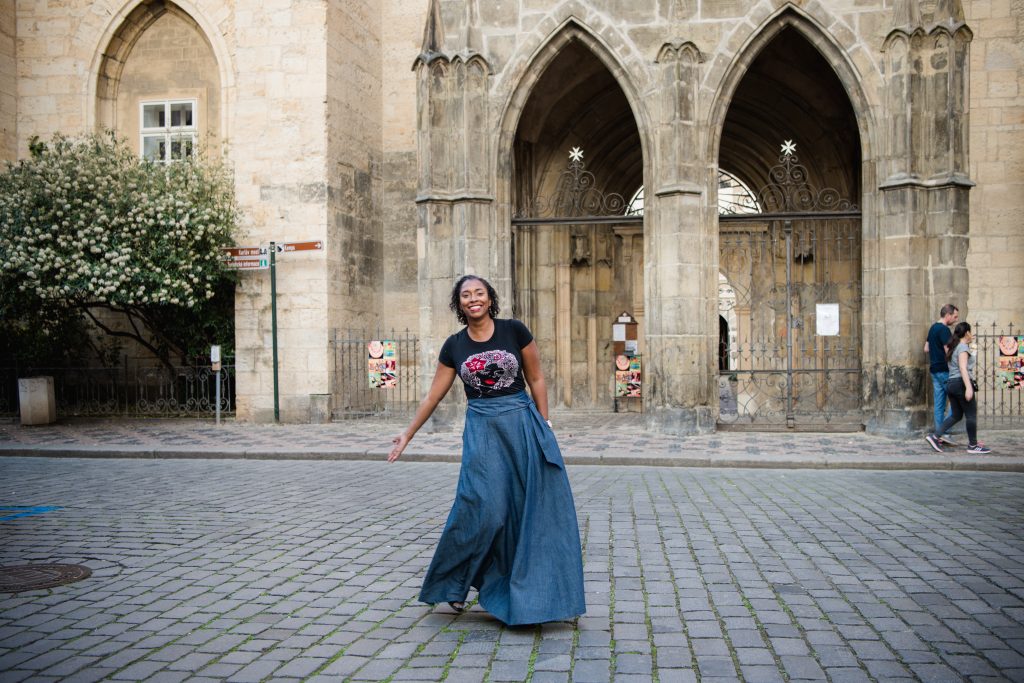
Taking the time to learn cultural etiquette makes travel smoother and your experiences richer. Locals are far more likely to welcome you and be of assistance if needed when they see you make an effort to respect their traditions. Plus, it keeps you from being “that” tourist, the one with no home training. Don’t be that person.
Travel is about exploration and connection, not just consumption. Doing some research before your trip helps you travel with confidence, curiosity, and respect.










1 Comment
I LOVE this list. There’s some things like hand gestures (I’m also guilty of talking with my hands haha) that a lot of people aren’t aware of. And also loved your point that google is our friend, a quick search will reveal any of the etiquette no-no’s we need to be aware of. Should really be ground zero for planning any trip. Thanks for posting!